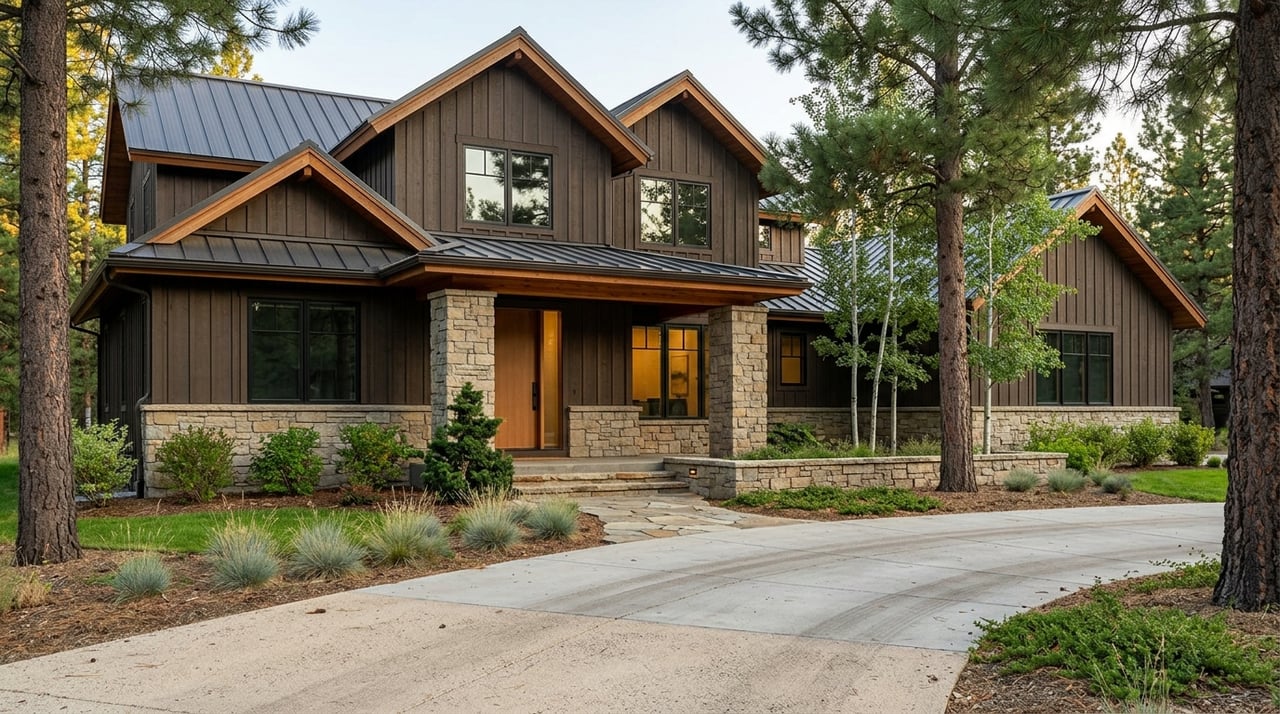
Looking at homes in Polson can feel simple at first glance, then surprisingly nuanced once you dig in. For a small lake town, Polson offers a wide mix of living options, from older in-town homes near daily conveniences to view-oriented properties above Flathead Lake and rural acreage just outside city limits. If you want to understand how Polson neighborhoods and home styles really fit different goals and lifestyles, this guide will help you sort through the options clearly. Let’s dive in.
Why Polson Feels Distinct
Polson sits on the south shore of Flathead Lake and within the Flathead Indian Reservation, about 50 miles south of Kalispell and 70 miles north of Missoula. That setting gives you a blend of lake access, mountain views, and regional connection that shapes how the housing market feels from one area to the next.
It is also a compact city. Polson covers 4.54 square miles, with an estimated 5,653 residents in 2025, so the community reads less like a sprawling metro and more like a set of clearly different lifestyle pockets. In practical terms, that means your home search often comes down to choosing between convenience, scenery, and space.
City data also helps frame what daily life can look like here. Census figures show a 54.6% owner-occupied rate, a median owner-occupied value of $356,300, median monthly owner costs with a mortgage of $1,718, and median gross rent of $912. Within city limits, Polson also reports 12 park areas, more than 30 acres of parkland, and over 10 miles of walking and biking paths.
How To Think About Polson Areas
Polson is usually easier to understand by area type rather than by memorizing subdivision names. City planning and zoning materials point to districts such as Old Town, Mixed Residential, Low Density Residential, Medium Density Residential, Resort, Transitional, and Central Business, with county zoning continuing beyond city limits.
For most buyers, that breaks down into three practical categories. You can think of Polson as in-town neighborhoods, scenic and golf-adjacent areas, and outskirts or county-edge properties. That framework reflects how the city has developed and how buyers actually compare options.
The city growth policy notes that Old Town surrounds the commercial core and follows a historic development pattern with single-family, two-family, and multi-family dwellings. It also shows that low- and medium-density residential areas extend east of town between U.S. 93 and the lakeshore, while low-density areas continue along the east side of the highway west of the Flathead River. Those patterns are a helpful roadmap when you want to match your priorities with the right part of town.
Downtown And Old Town Living
What This Area Feels Like
Downtown and Old Town are the most walkable parts of Polson. This is where you find the strongest concentration of errands, civic uses, and community activity, including downtown events such as the Cherry Festival and the Farmers Market.
If you want to be close to daily services and enjoy a more connected in-town setting, this area often makes the most sense. It tends to appeal to buyers who value convenience and character over large lots and maximum privacy.
What Homes Usually Look Like
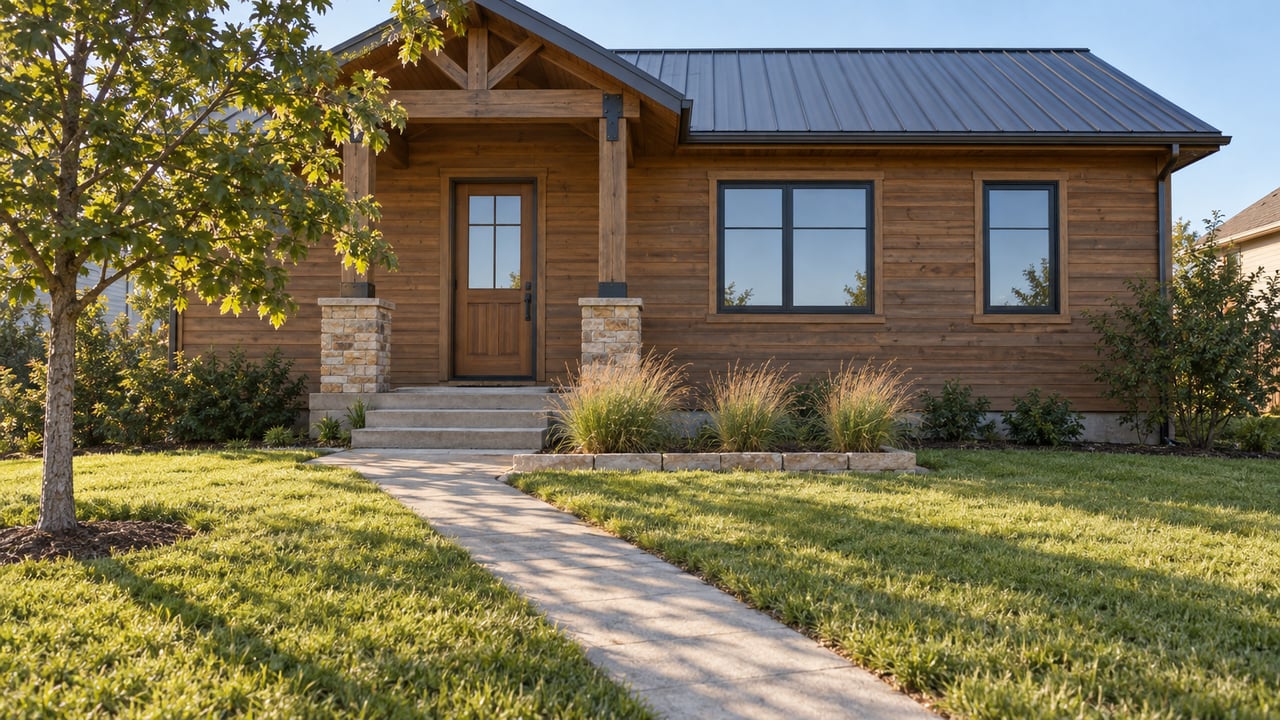
The housing stock here is generally smaller in scale than what you may see in view corridors or county-edge areas. You are more likely to encounter detached homes on modest lots, duplexes, and mixed-use or commercial-residential buildings than large custom estates.
Polson’s growth policy identifies historic properties around Highway 93, Main Street, 2nd Avenue E., and 3rd and 4th Avenue E. That older fabric supports a home-style conversation centered on classic townsite houses, compact cottages, and early-era homes with practical layouts.
As a style reference, early-20th-century Montana towns often featured bungalow or Craftsman forms. These homes are commonly associated with low-pitched roofs, wide eaves, exposed rafter tails, and open front porches, which fits the kind of architectural character buyers often look for in Polson’s older in-town areas.
Who This Area Suits Best
Downtown and Old Town can be a strong fit if you want:
- A more walkable setting
- Faster access to shops, services, and events
- Smaller homes with character
- Lower-maintenance lot sizes compared with rural properties
If your priority is a classic small-town feel with everyday convenience, this is usually the first area to explore.
Golf-Adjacent And Shoreline Corridors
Why Buyers Notice This Area
Polson Bay Golf Course is a true local anchor. The course has been open to the public since 1938, includes 27 holes, and identifies itself as the only golf course with fairways adjacent to the shores of Flathead Lake.
That matters because the surrounding residential pattern reflects the setting. On the official zoning map, this side of town includes roads such as Bayview Drive, Country Club Drive, Bogey Drive, Mission View Drive, Shoreline Drive, Lakeview Drive, Hillside Court, Overlook Drive, Skyline Drive, and View Point Drive. Even the street layout tells you this is where scenery and orientation start to drive value.
What Homes Usually Look Like
In these corridors, the product mix tends to lean toward view homes, golf-adjacent properties, and custom builds. Compared with older in-town homes, these properties often trade larger yards for a stronger connection to the lake, fairways, or mountain backdrop.
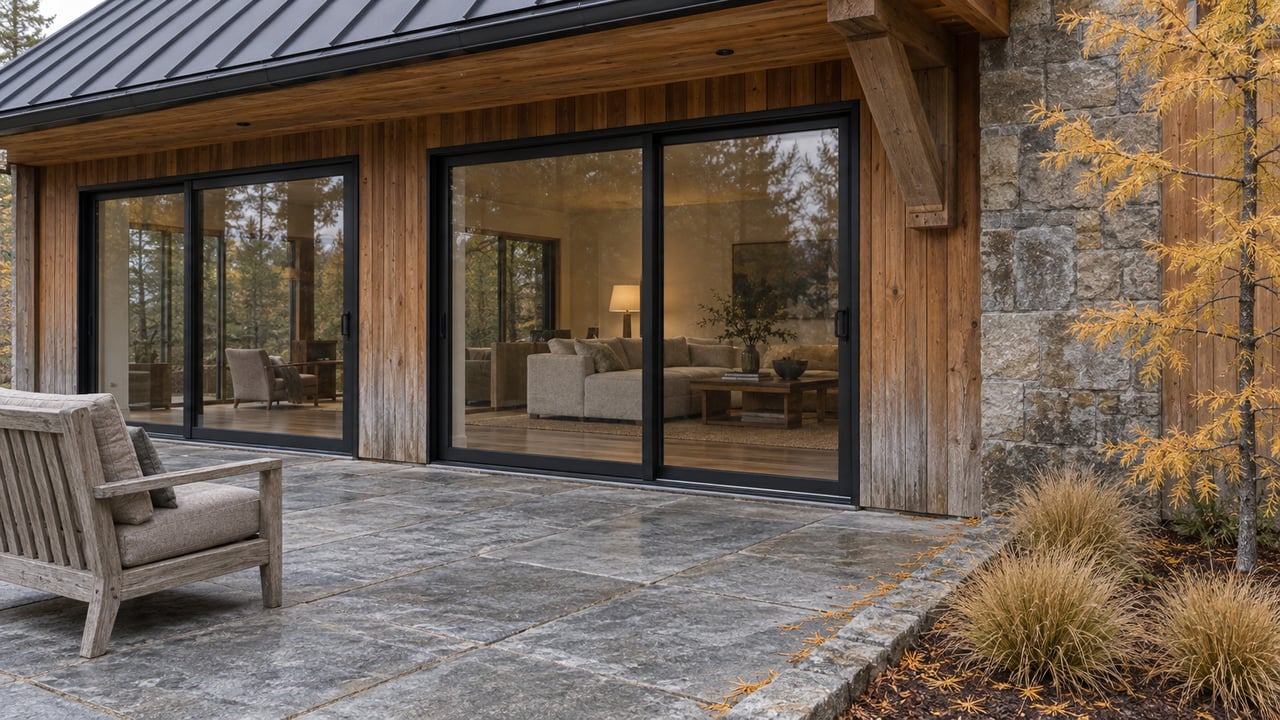
You may see homes designed to capture sightlines rather than maximize flat lawn space. That can mean decks, larger windows, outdoor living areas, and floor plans oriented toward the best views.
Who This Area Suits Best
This part of Polson often fits buyers who want:
- Strong lake or golf-course context
- Scenic residential streets
- A custom-home feel
- A balance between in-town access and lifestyle appeal
If you picture mornings with expansive views and a home designed around the setting, these neighborhoods usually rise to the top.
Lakeview Hillsides And Scenic Lots
Why Elevation Matters In Polson
Polson’s setting does a lot of the work here. The city describes the area as part of a basin-like landscape at the south end of Flathead Lake, with the Mission Mountains bordering the valley south of town. Planning materials also describe forested shoreline to the north and rolling grasslands to the southwest.
For buyers, that means sloped and elevated lots often carry the visual payoff. If the view is your priority, hillside positioning can matter just as much as square footage or lot size.
What Homes Usually Look Like
This is where you can reasonably think in terms of view lots, hillside homes, and scenic residential streets. Based on the zoning map and the local terrain, these areas are more likely to feature multi-level homes, stepped foundations, decks, and layouts oriented toward lake or mountain views.
These homes often feel more site-specific than a typical flat-lot house. The architecture tends to respond to grade, sightlines, and outdoor access in ways that support a more view-driven lifestyle.
What To Weigh As A Buyer
Scenic homes can offer a strong sense of place, but they also ask you to prioritize differently. You may be choosing topography, orientation, and visual impact over a broader backyard or simpler lot layout.
That tradeoff is not a drawback if views are central to your decision. It simply helps to know that in Polson, some of the most compelling settings come with terrain that shapes the design of the home itself.
Rural Acreage And County-Edge Properties
Where The Market Changes
Once you move outside city limits, Polson starts to feel less like a town search and more like a land-use search. Lake County says it administers most of its zoning districts at the county level, with higher density generally directed toward existing communities and services and lower density aimed toward agricultural areas and wildlife habitat.
That shift is important because it changes what buyers compare. Instead of focusing mainly on blocks, streets, and walkability, you are often evaluating parcel size, privacy, access, and intended use.
What Homes Usually Look Like
This is the right category for acreage, hobby-farm parcels, shop properties, and more private rural homes. Nearby zoning districts such as East Shore, Finley Point, Kings Point, and Upper West Shore also show how quickly the area transitions from town lots to shoreline acreage and larger parcels.
The housing itself can vary widely. Some properties may include modest homes with usable land, while others may offer custom residences with more separation from neighbors and a stronger sense of retreat.
Who This Area Suits Best
County-edge and rural properties often appeal to buyers who want:
- More land and privacy
- Flexibility in how the property functions
- Separation from denser in-town settings
- A more rural day-to-day feel
If your goal is room to spread out, this is where Polson expands beyond the small-city footprint.
What Polson Home Styles Tell You
Polson’s housing mix is still led by detached homes. In the city’s historical planning snapshot, single-family detached housing made up 63.5% of the stock, while multi-family represented 34% and mobile homes remained a small share. The same document says the median year a housing unit was built was 1980, with older units concentrated in the older townsite.
That helps explain why the most useful home-style labels in Polson are practical rather than overly technical. Buyers are usually better served by understanding homes as older townsite houses, bungalow or Craftsman-era properties, duplexes and in-town cottages, mid-century detached homes, newer view homes, and lake-oriented custom properties.
In the upper end of the market, especially around shoreline and scenic settings, the style conversation shifts toward custom and cabin-style homes with features such as decks, fireplaces, docks, and outdoor living space. Vacation-home examples in Polson also reflect demand for private beaches, shoreline access, and substantial acreage in certain lakefront segments.
How To Match Area And Lifestyle
The best Polson home is not just about price point or square footage. It is about choosing the area that supports how you want to live.
A simple way to narrow your search is to start with your top priority:
- Convenience: focus on downtown and Old Town
- Views and recreation: focus on golf-adjacent and shoreline corridors
- Privacy and land: focus on county-edge and rural acreage
This is one reason Polson should not be treated as one uniform small town. The city’s planning patterns make the tradeoffs visible, and once you see those differences clearly, it becomes much easier to shop with purpose.
If you are weighing a second home, relocation move, or a more specialized property search, a neighborhood-by-neighborhood strategy can save time and sharpen your decisions. In a market where views, access, and land use matter so much, local insight is often what turns a broad search into the right fit.
When you are ready to sort through Polson’s neighborhoods, home styles, and lifestyle options with a more tailored plan, Sandra West can help you approach the market with clarity and confidence.
FAQs
What are the main neighborhood types in Polson, Montana?
- Polson is usually easiest to understand as three broad area types: downtown and Old Town, golf-adjacent and scenic view areas, and rural or county-edge properties outside the core city footprint.
What kinds of homes are common in Old Town Polson?
- Old Town commonly includes smaller detached homes, duplexes, mixed-use residential buildings, and older townsite houses, with some homes reflecting bungalow or Craftsman-style features.
What home styles are common near Flathead Lake in Polson?
- Near lake-facing and scenic parts of Polson, buyers often find newer view homes, golf-adjacent properties, and custom homes designed around decks, outdoor living, and lake or mountain sightlines.
Are there acreage properties near Polson, Montana?
- Yes. Once you move outside city limits, the market transitions quickly into county-edge and rural properties that may include acreage, hobby-farm parcels, shop properties, and homes with more privacy.
Is Polson a walkable town for homebuyers?
- The most walkable part of Polson is downtown and Old Town, where you will find the highest concentration of errands, civic uses, and community events within the city.
Why do views matter so much in the Polson housing market?
- Polson’s position at the south end of Flathead Lake, along with views toward the Mission Mountains and surrounding basin landscape, makes elevation, orientation, and scenic lot placement important factors for many buyers.