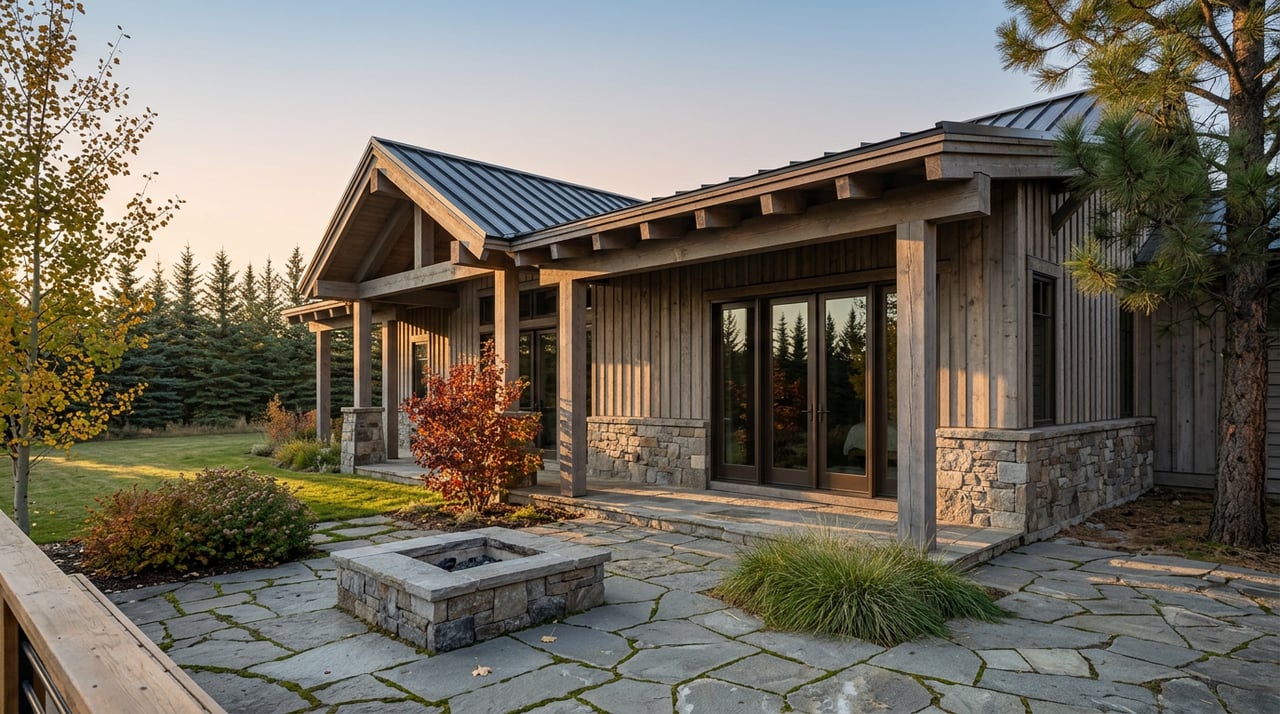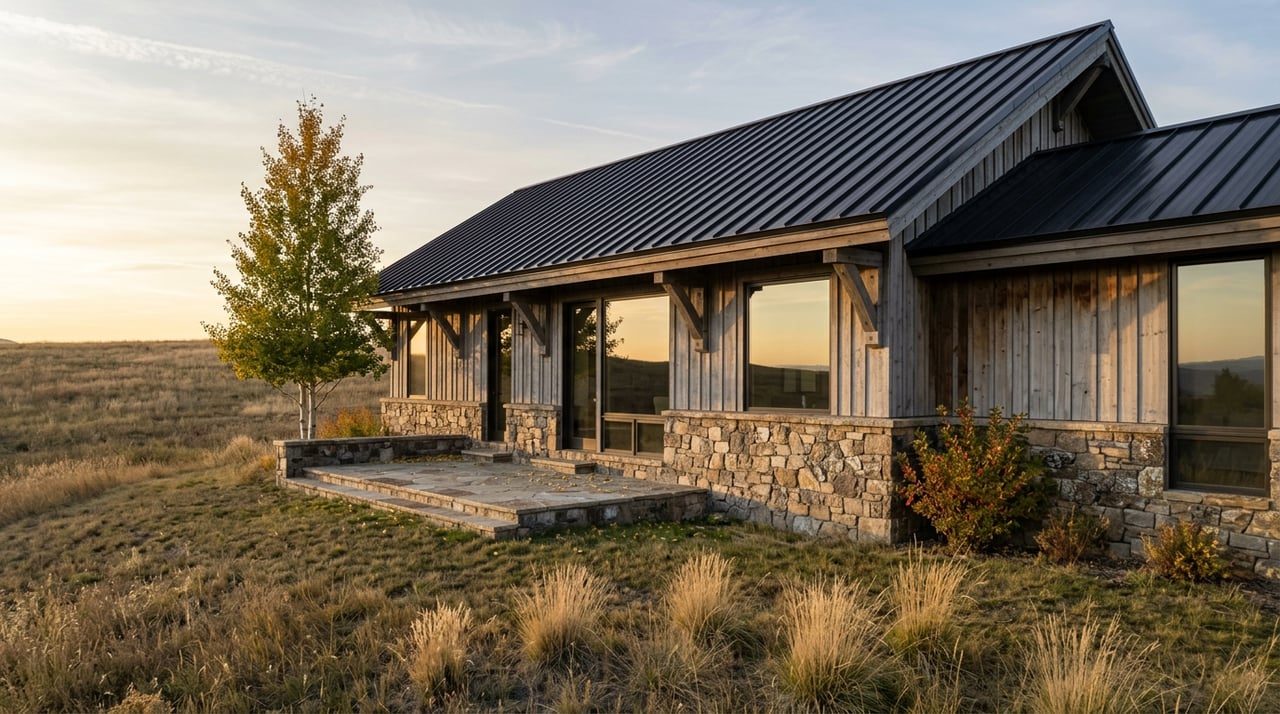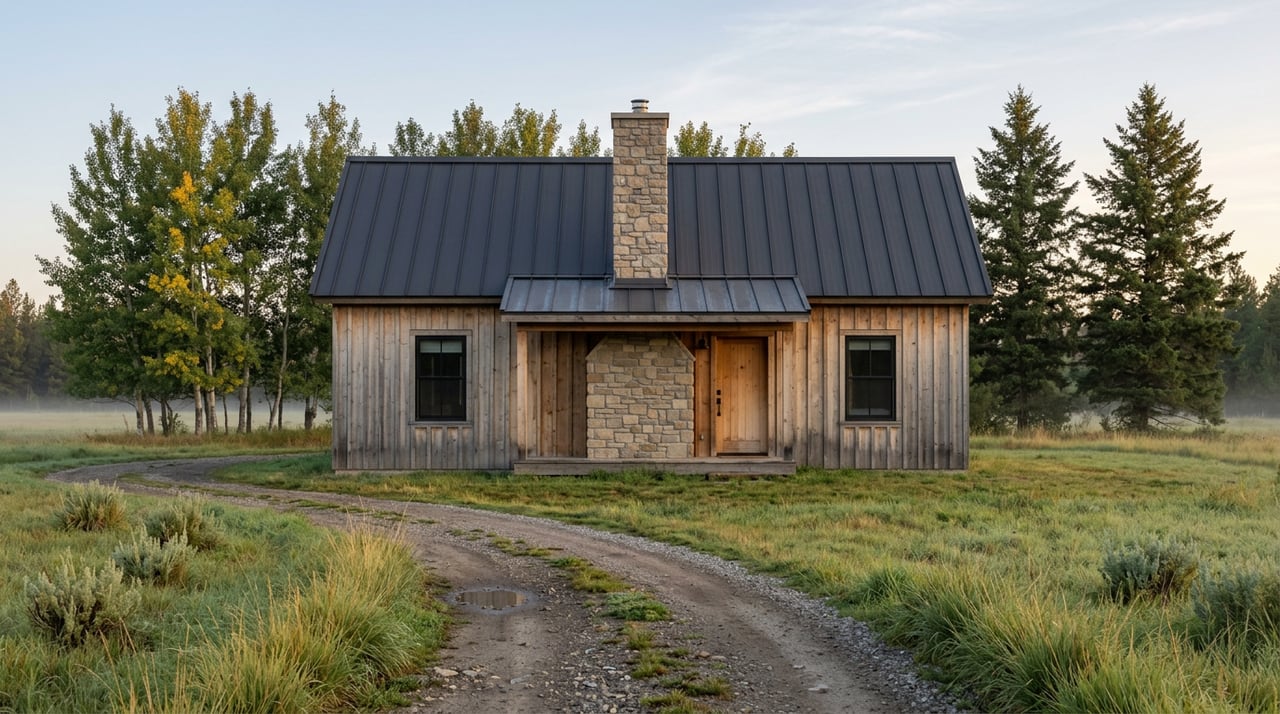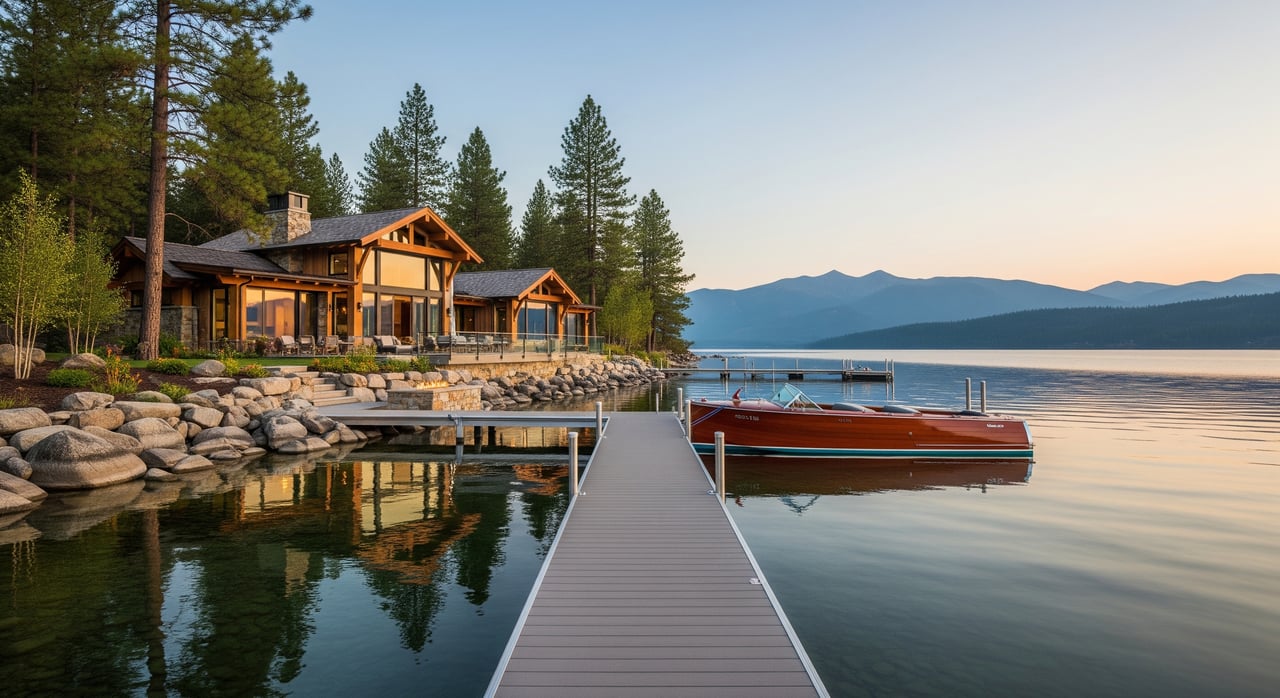
Waking up to glassy water, mountain light, and your boat at the dock sounds perfect. In Polson, that dream is very real, but lakefront is a different kind of real estate. You will weigh shoreline rules, dock rights, septic capacity, and insurance long before you pick paint colors. This guide breaks down what matters most on Flathead Lake’s south shore so you can tour with confidence and write stronger offers. Let’s dive in.
Why Polson lakefront stands out
Polson anchors the southern end of Flathead Lake and serves as a convenient hub for groceries, services, and marinas. Flathead Lake is widely known as the largest natural freshwater lake west of the Mississippi, which is a big reason buyers seek it out for boating, fishing, and year-round scenery. You can compare Polson to other communities around the lake, but many buyers choose Polson for water access paired with close-to-town convenience.
Inventory on the water is limited and commands a premium relative to inland homes. Fewer true lakefront parcels mean the best listings see strong interest. Seasonality also plays a role, especially for homes marketed as vacation or short-term rentals. Plan to review current comps and timing before you submit an offer.
Know the rules before you tour
Jurisdictions you will work with
Lakefront property touches multiple layers of oversight. Depending on exact location, you may interact with:
- City of Polson Planning and Building for zoning, setbacks, and permits within city limits.
- Lake County departments for building permits, septic approvals, and property records.
- Montana Department of Natural Resources and Conservation (DNRC) for submerged-land leases when docks extend past the ordinary high water mark.
- U.S. Army Corps of Engineers if work affects navigable waters, wetlands, or public navigation.
- Montana Fish, Wildlife and Parks for boat inspection and aquatic invasive species rules.
- Confederated Salish and Kootenai Tribes to verify tribal jurisdiction or trust-land adjacency where applicable.
- Montana Department of Environmental Quality and the Lake County sanitarian for wastewater and wells.
- FEMA and the local floodplain manager for flood mapping and insurance requirements.
Common permit triggers on Flathead Lake
Before you plan improvements, budget time and fees for permits. Typical triggers include:
- DNRC submerged-land leases for docks, piers, and structures over state-owned lakebed past the ordinary high water mark.
- Dock, boathouse, and lift limits. Some structures are size limited and enclosed boathouses may be restricted. Confirm what is allowed at your shoreline.
- Shoreline modification. Vegetation removal, retaining walls, and bank armoring often need approvals and can require restoration plans.
- Army Corps reviews for work that affects navigable waters or wetlands.
- Septic approvals based on bedrooms, soils, and available replacement drainfield area.
- Wells and water rights verification for private wells and any surface or irrigation rights tied to the parcel.
- Floodplain rules that can affect building footprints and insurance.
- Short-term rental registration and taxes if you plan to rent. Check city, county, and HOA restrictions.
- Aquatic invasive species compliance. Expect inspection and decontamination requirements for boats and trailers during high season.
Shoreline and site realities
Ordinary high water mark basics
Setbacks and jurisdiction are often measured from the ordinary high water mark (OHWM), not the water’s edge on a calm day. Identifying the OHWM can be complex, and its location can change over time. A current boundary survey that shows both the property line and OHWM is essential for design and permitting.
Erosion, wave energy, and ice
Flathead Lake produces meaningful wave action during storms. In winter, ice formation and ice heave can stress docks and shore structures. If you are looking at bluff or top-of-bank lots, consider a geotechnical or shoreline engineering evaluation. Preserving native riparian vegetation helps stabilize banks and protect water quality and may be required.
Docks, moorage, and maintenance
Not all shorelines are equal for moorage. Depth, exposure, and bottom conditions dictate whether a seasonal or more robust dock design is feasible. Many owners budget for ice-rated hardware, seasonal removal, or annual inspections. If a dock exists, confirm its condition, whether it was permitted, and if any DNRC lease is current and transferable.
Water, septic, and utilities
Septic systems and capacity
Septic size is tied to the number of bedrooms and usage patterns. Older systems may not meet current standards and can be expensive to replace. You will need clear pump-out records, an inspection, soils confirmation, and proof of a viable replacement drainfield area on the lot. The county sanitarian is a key contact for feasibility and approvals.
Wells and water quality
Private wells are common. Standard due diligence includes a yield test and a water-quality lab report for bacteria and nitrates, with additional tests where regionally relevant. Plan for peak seasonal demand if you host guests or rent, since water use can surge.
Power, internet, and road access
Confirm electrical capacity and whether any upgrades or undergrounding are needed for renovations. Broadband varies by location even within the Polson area, so verify service levels upfront. For private roads or driveways, check recorded access, who plows in winter, and how maintenance costs are shared.
Shared docks and HOAs
Some lakefront neighborhoods offer shared moorage with defined use rights and fees. Review the recorded agreements for cost-sharing, repair obligations, guest use, and allocation of slips or lifts.
Insurance and true costs
Lakefront homes can carry higher homeowner premiums due to wind, hail, and water exposure. If your parcel sits in a FEMA Special Flood Hazard Area, lenders will usually require flood insurance, and many buyers choose it regardless. Consider additional coverage for ice damage to docks and shoreline structures, plus endorsements for wreck removal.
Long-term ownership costs can include shoreline stabilization, dock repairs or replacement, septic upgrades, and private road upkeep. Build these line items into your total cost of ownership so your offer and renovation plans stay realistic.
Smart due diligence roadmap
Pre-offer research
Do these items before you write an offer:
- Title and deed: confirm shoreline ownership, littoral rights, and any public access easements.
- Survey: obtain or review a current boundary survey with the OHWM shown.
- Submerged land: check DNRC status for any dock or pier and whether a lease is required.
- Zoning and setbacks: verify city or county shoreline setbacks and permitted structures.
- Flood: pull FEMA maps and note any flood zone; plan for an elevation certificate if needed.
- Short-term rental rules: confirm city and county requirements and taxes if you intend to rent.
- Seller records: request permits, prior shoreline work approvals, dock plans, and maintenance files.
- Taxes and assessments: review county tax history and any special assessments.
Contingencies to include
Protect your interests with targeted contingencies:
- Certified boundary survey that shows OHWM, utilities, and elevation data.
- Septic inspection and a permitability statement from the county sanitarian.
- Well yield test and full lab water-quality report.
- Structural inspection of dock and shoreline structures; engineering review for bluff sites.
- Geotechnical or slope stability evaluation where erosion is visible or slopes are steep.
- DNRC submerged-land lease history, transfer terms, and costs.
- Encroachment and riparian rights confirmation to avoid future disputes.
Post-contract, pre-close actions
After you are under contract, move quickly on:
- Pulling copies of all open and closed permits and verifying compliance.
- Securing HOA or shared-dock agreements and confirming fees.
- Finalizing title insurance and clearing any easements that affect shoreline use.
- Getting quotes for homeowner, wind, and flood coverage.
- Registering any short-term rental and confirming tax remittance if applicable.
Buyer scenarios and tips
Bluff vs beach frontage
Bluff parcels can deliver sweeping views and privacy but often involve stairs, elevators, or tram systems and may need engineering for stability. Beach or low-bank frontage can simplify access and seasonal dock use, yet may sit closer to flood zones. Weigh maintenance and insurance along with lifestyle.
Full-time vs seasonal living
Year-round living raises questions about winter road maintenance, broadband reliability, and utility costs. Seasonal homes bring different considerations, like winterizing water lines, removing docks, and scheduling service vendors during peak demand.
Heavy boating and AIS rules
If you trailer multiple boats or host frequent guests, plan for inspection time at launch sites during high season. Montana emphasizes aquatic invasive species prevention, so “Clean, Drain, Dry” best practices are essential and enforcement is active.
Who to call first
Start with the right experts to save time and avoid surprises:
- City of Polson Planning and Building
- Lake County Planning, Sanitarian, Assessor, Treasurer, and Recorder
- Montana DNRC for submerged-land leases
- U.S. Army Corps of Engineers for navigable waters permits
- Montana Fish, Wildlife and Parks for boat inspections and AIS rules
- Confederated Salish and Kootenai Tribes to verify jurisdiction where relevant
- Local land surveyor for boundary and OHWM delineation
- Licensed septic designer or engineer and the county sanitarian
- Geotechnical or shoreline engineer for slope and erosion reviews
- Dock contractor experienced on Flathead Lake
- Real estate attorney with Montana lakeshore experience
How we help you buy with confidence
Lakefront is not one-size-fits-all. The right path blends technical due diligence with market savvy and negotiation. With deep knowledge of Flathead Lake and a concierge approach, our team helps you verify OHWM, permits, and leases, line up inspections, and model true ownership costs so your decision is clear. If you want a strategic partner to source the right shoreline and secure it on your terms, connect with Sandra West. Build Your Legacy.
FAQs
What should I check first when buying Polson lakefront?
- Start with title and deed for shoreline rights, a current survey with the ordinary high water mark, and DNRC status for any dock or pier.
Do I need a DNRC lease for my Flathead Lake dock?
- If your dock extends over state-owned lakebed beyond the ordinary high water mark, a DNRC submerged-land lease is typically required and may include size limits and fees.
How do septic systems impact my purchase in 59860?
- Capacity depends on bedrooms and soils, and you must confirm a replacement drainfield area; older systems may need upgrades to meet current standards.
Is flood insurance required for Polson waterfront homes?
- If a home lies in a FEMA Special Flood Hazard Area, lenders usually require flood insurance, and many buyers opt for it regardless of mortgage requirements.
Who permits shoreline changes like walls or vegetation removal?
- City or county planning, DNRC, and in some cases the Army Corps review shoreline work; approvals and mitigation may be required before you begin.
What are Montana’s aquatic invasive species rules for boaters on Flathead Lake?
- Expect inspection and possible decontamination during high season and follow Clean, Drain, Dry practices; fines can apply for noncompliance.