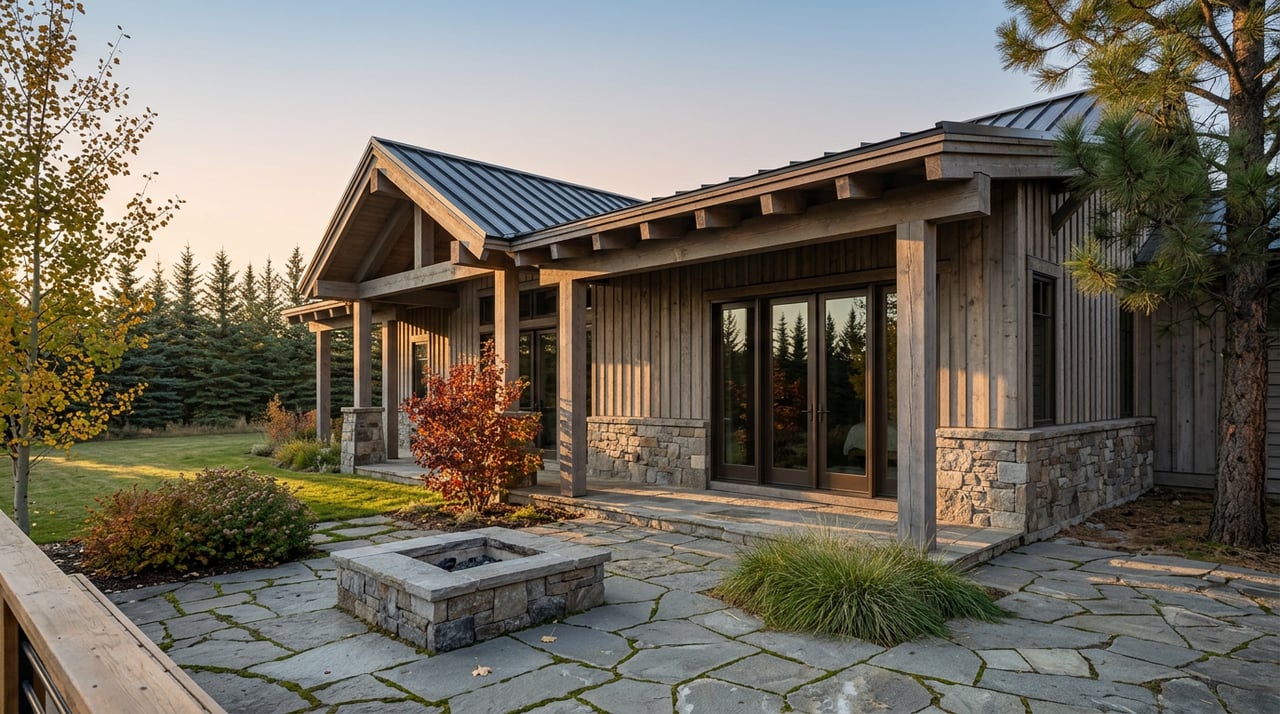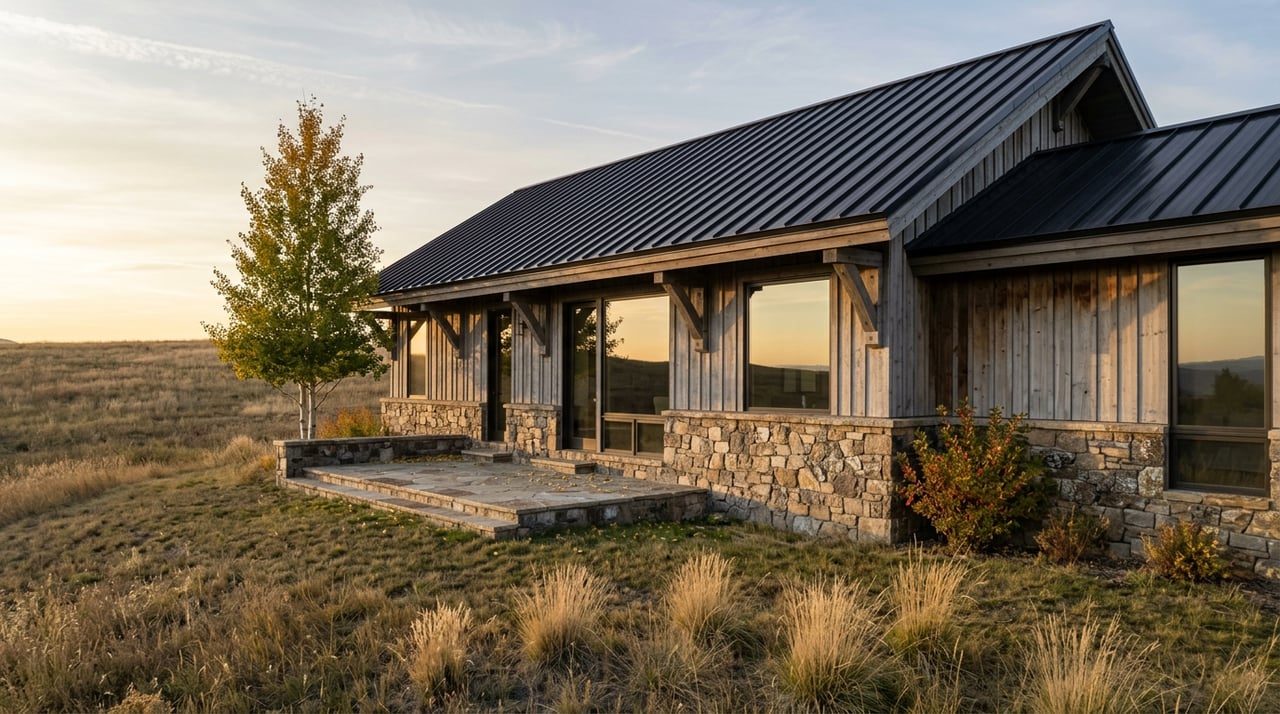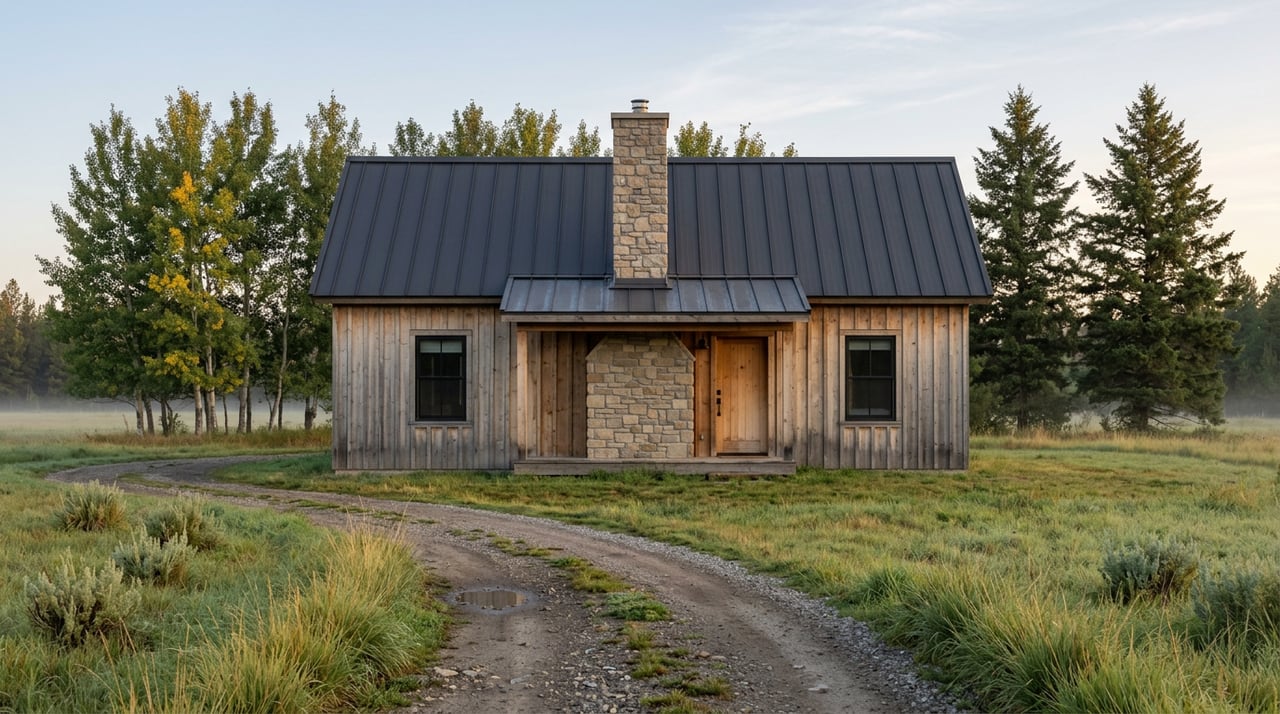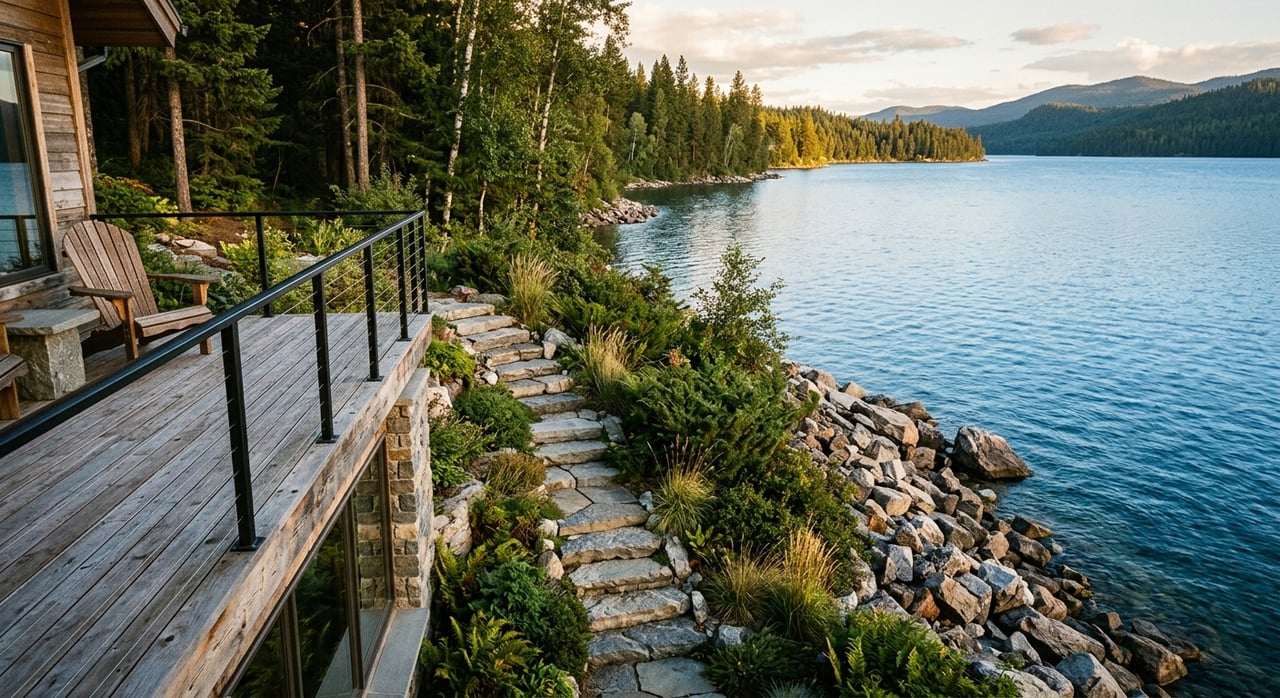
Dreaming about a cabin or lake lot at Lake Sakakawea? It is easy to picture the water, the boat, and the long summer weekends. What catches many buyers off guard is that lakefront ownership here is as much about permits, access, utilities, and seasonality as it is about the view. This guide will help you understand the practical questions to ask before you buy so you can move forward with more confidence. Let’s dive in.
Why Lake Sakakawea draws buyers
Lake Sakakawea is a major North Dakota destination, and that scale shapes the buying experience. The reservoir stretches about 178 miles and is managed for many purposes, including flood control, hydropower, irrigation, water supply, recreation, and fish and wildlife.
For you as a buyer, that means shoreline rules matter. This is not a private lake with one simple set of neighborhood standards. It is a large shared resource with public access, managed shoreline zones, and layers of local and federal oversight.
The communities most often tied to the lakefront lifestyle in this part of McLean County include Garrison, Riverdale, and Pick City. Garrison connects closely to Fort Stevenson State Park, Riverdale sits on bluffs overlooking the lake and sees a notable summer population increase, and Pick City offers a small-town setting near the shore.
Lake Sakakawea State Park adds to that appeal with a swim beach, trails, camping cabins, a marina, and deep-water boat access. More broadly, there are 35 recreation areas around the lake, which means your ownership experience may depend as much on nearby public amenities and launch access as on your lot line.
Know the difference between land and dock rights
This is one of the most important parts of buying a lakefront cabin or lot at Lake Sakakawea. Owning land near the water does not automatically mean you have private dock rights.
The U.S. Army Corps of Engineers manages shoreline use through its Shoreline Management Plan. Shoreline areas are divided into categories such as prohibited access areas, public recreation areas, protected shoreline areas, and limited development areas.
If a property is near a limited development area, a private dock may be possible, but only with approval. In those areas, applicants must own or lease contiguous property or have access by public road, and the Corps assigns the exact facility location within an approved 50-foot area.
That detail matters because you are not simply buying a place to drop in a dock wherever you choose. You are buying into a regulated shoreline system where location, permit status, and shared access rules can shape how you actually use the property.
Permits do not automatically transfer
Another key point is that shoreline permits are non-transferable. If a permitted facility is sold, the new owner must apply within 14 days or remove the facility and restore the site within 30 days.
That means a seller’s current setup does not simply roll over to you at closing. You need to confirm whether a dock, access path, parking area, or shoreline feature is currently permitted and what steps are required after the sale.
Some areas require community docks
In some shoreline areas, new limited development may require group or community docks instead of individual docks. In certain named areas, individual docks may be prohibited altogether.
If you are considering a subdivision lot, it is especially important to review any shared access structure. Roads, parking, shoreline use, or dock access may depend on permits, licenses, recorded covenants, or homeowners association arrangements rather than on the deed alone.
Understand public access along the shoreline
Many buyers assume that owning near the water means a more private shoreline experience than the rules actually allow. At Lake Sakakawea, permitted facilities may not block public pedestrian or vessel access to the water or adjacent public land.
USACE also notes that most of the shoreline is open to the public through walk-in access. So if privacy and exclusivity are top priorities for you, it is wise to evaluate a property with realistic expectations.
This does not reduce the value of lakefront ownership, but it does change how you should think about it. In this market, a great property is often defined by legal access, proximity to launch points, views, utility setup, and seasonal usability, not by the assumption of exclusive shoreline control.
Check setbacks before you plan to build
If you are buying a vacant lot, buildability should be one of your first questions. In McLean County, the zoning ordinance requires a 100-foot setback from the high-water mark of lakes, ponds, streams, and rivers.
That setback can affect where you place a cabin, garage, septic system, driveway, or outdoor living area. A lot that looks spacious on paper may offer a smaller practical building envelope once setbacks and site conditions are applied.
This is one reason lake lots should always be evaluated beyond the listing photos. Shape, topography, shoreline proximity, and utility options all work together to determine whether a parcel fits your plans.
Utilities can make or break a lake lot
At Lake Sakakawea, utilities are not just a convenience issue. They can directly affect whether and how a lot can be developed.
McLean County subdivision guidance shows a big difference between lots with public water and sewer and those without. Lots served by public water and sewer are sized at 100 feet wide and at least 20,000 square feet, while lots without those services must be much larger, at 150 feet wide and roughly 65,000 to 80,000 square feet.
In simple terms, if a lot does not have public utility service, the development path may be more complex. You may need to account for well and septic feasibility, larger lot requirements, utility extensions, propane service, and site-specific approvals.
Town services versus rural setup
Riverdale offers an example of a townsite option. The city provides water, sewer, garbage, and electricity, while natural gas, phone, cable, and internet come from regional providers.
Rural lots and cabins can be a different story. McLean County’s Code of the West advises buyers to verify electric and phone service, check with First District Health Unit for septic approval and well testing, and confirm driveway access with county or state highway authorities.
If you are comparing two properties, utility certainty can be one of the biggest value differences between them. A lower-priced lot may not be the better buy if infrastructure is harder or more expensive to secure.
Year-round access is not a given
A road on a map does not always mean easy, full-time access. McLean County’s Code of the West makes that clear by warning that some roads are not county maintained or plowed and that a drivable route may not guarantee easy or year-round travel.
This matters whether you are shopping for a seasonal retreat, a fishing cabin, or a longer-term second home. You should confirm how the property is reached in every season, whether access is legally deeded, and who is responsible for road maintenance.
Verbal access agreements are not enough. The county specifically advises that legal easements should be deeded rather than informal.
Lake life here is strongly seasonal
One of the best parts of Lake Sakakawea is its rhythm. Summer brings boating, fishing, and weekend traffic, while winter brings ice access and a very different pattern of use.
USACE’s winter policy listed 116 ice-access entry points to Lake Sakakawea for use from freeze-up through March 15, 2026, or until the lake is ice-free. Those points are limited to ice-fishing use.
In open-water season, vehicles are allowed only in 11 designated shoreline access areas and only for day-use recreation. Camping, open fires, and ATV use are prohibited in those designated shoreline access areas.
This all reinforces a simple truth: your ownership experience will change a lot by season. If you plan to use the property often, make sure the home, lot, and access setup match the months you care about most.
Recreation is a big part of value
Lake Sakakawea is known for strong fishing, including walleye, northern pike, and chinook salmon. Access sites in McLean County include Douglas Creek Bay, Camp of the Cross, Garrison Creek, Fort Stevenson State Park, Steinke Bay, and Sportsmens Centennial Park.
That broad recreation network supports the area’s appeal for second-home buyers and cabin owners. In many cases, being near reliable launch access, marinas, and recreation areas may matter just as much as being directly on the water.
Riverdale’s summer population growth and the seasonal structure of local campgrounds further show how active the area becomes in warmer months. If you want a retreat that feels lively in summer and quieter in the off-season, this market may fit well.
A smart buyer checklist
Before you buy a cabin or lot near Lake Sakakawea, ask for clear answers to these questions:
- Is the property fee-simple, and what exactly is included in the deed?
- Does the property have any shoreline permit, dock permit, license, or shared-use agreement?
- If there is a dock or lift, what happens to that permit after closing?
- Is the shoreline in a limited development area, protected area, public recreation area, or prohibited access area?
- Are there HOA rules, subdivision covenants, or shared dock arrangements?
- What is the 100-foot setback impact on future building plans?
- Are water, sewer, electric, and other utilities available now, or will they require additional approvals and installation?
- Is road access deeded and maintained year-round?
- Has septic feasibility been reviewed if the property does not connect to public sewer?
- How do seasonal rules affect boating, ice access, and shoreline use for this location?
These questions can help you separate a beautiful listing from a truly workable property. The right lake property is the one that fits both your lifestyle and the actual rules on the ground.
Why local guidance matters
Lakefront and recreational property can be more nuanced than a standard in-town purchase. At Lake Sakakawea, buyers often need to think through zoning, shoreline permits, public access, seasonal use, easements, and utility planning at the same time.
That is where careful guidance can make a real difference. A thoughtful buying process helps you understand not just what a property looks like today, but how you can realistically use it after closing.
If you are exploring lakefront cabins or lots in the 58540 area, working with a team that understands land, lifestyle property, and due diligence can help you make a more confident decision. When you are ready to talk through your goals, connect with Sandra West for concierge-level guidance tailored to North Dakota lake and land purchases.
FAQs
Can a Lake Sakakawea lake lot come with a private dock?
- Possibly, but only if the shoreline area qualifies and USACE approves a Shoreline Use Permit. In some areas, community or group docks are required instead of individual docks.
Does a Lake Sakakawea lakefront property include exclusive shoreline use?
- No. USACE rules state that permitted facilities cannot block public pedestrian or vessel access, and much of the shoreline is open through walk-in public access.
What setback applies to building near Lake Sakakawea in McLean County?
- McLean County requires a 100-foot setback from the high-water mark of lakes, ponds, streams, and rivers.
Are utilities available on all Lake Sakakawea lots?
- No. Some townsite properties, such as in Riverdale, have municipal services, while rural lots may need well, septic approval, propane, and utility extensions.
Is Lake Sakakawea property mainly seasonal?
- In many cases, yes. Summer recreation, winter ice access rules, campground seasons, and seasonal population increases all point to a strong seasonal pattern around the lake.
What should out-of-state boat owners know before using Lake Sakakawea?
- North Dakota requires watercraft compliance measures, including registration or aquatic nuisance species requirements where applicable, plus clean, drain, and dry practices for boats, docks, and lift equipment before moving to another body of water.