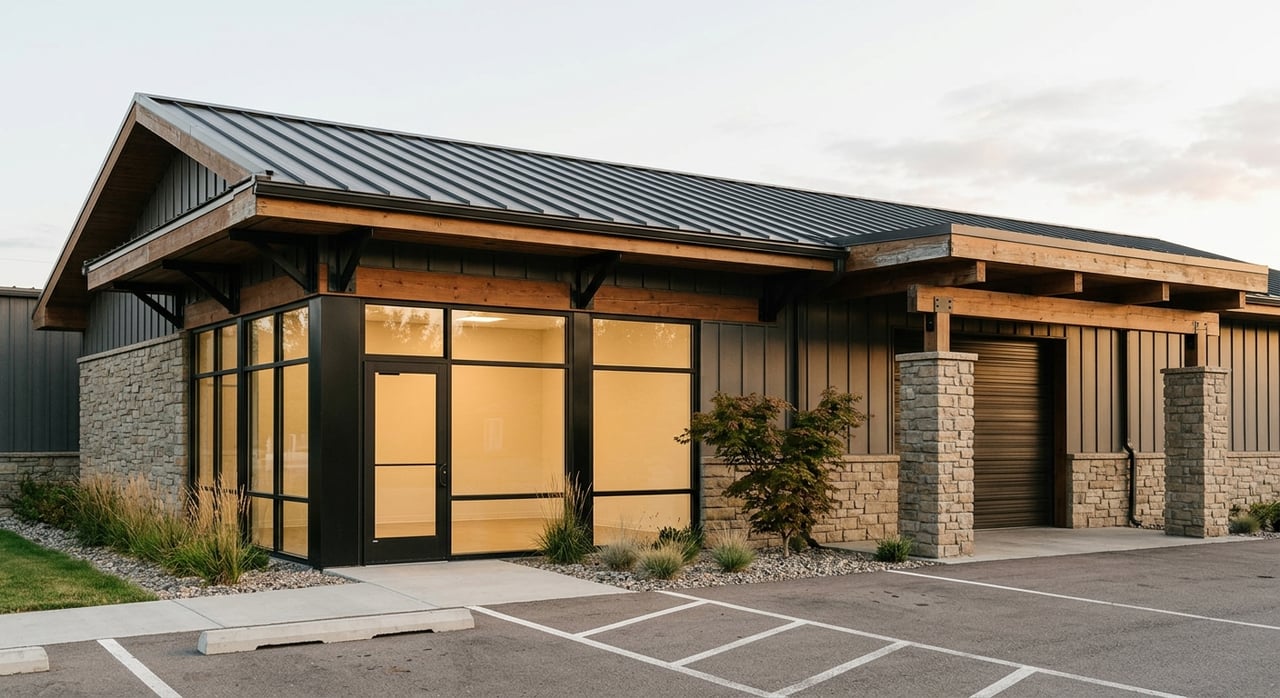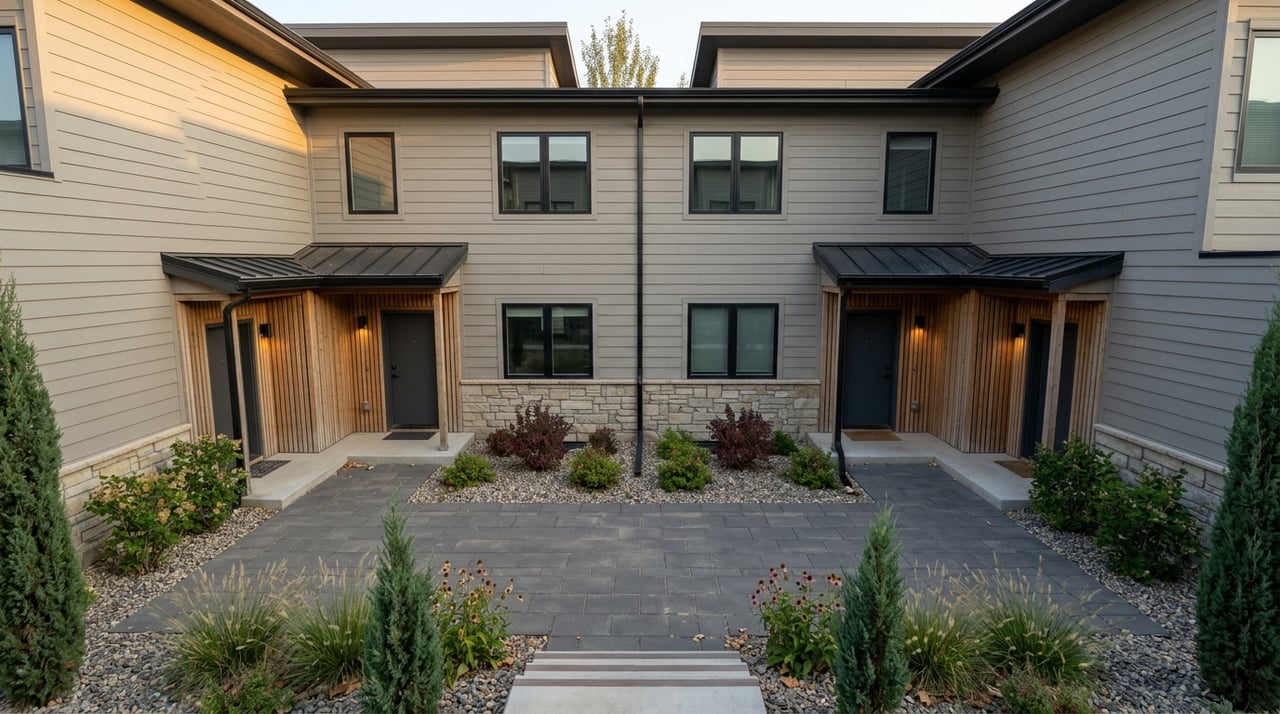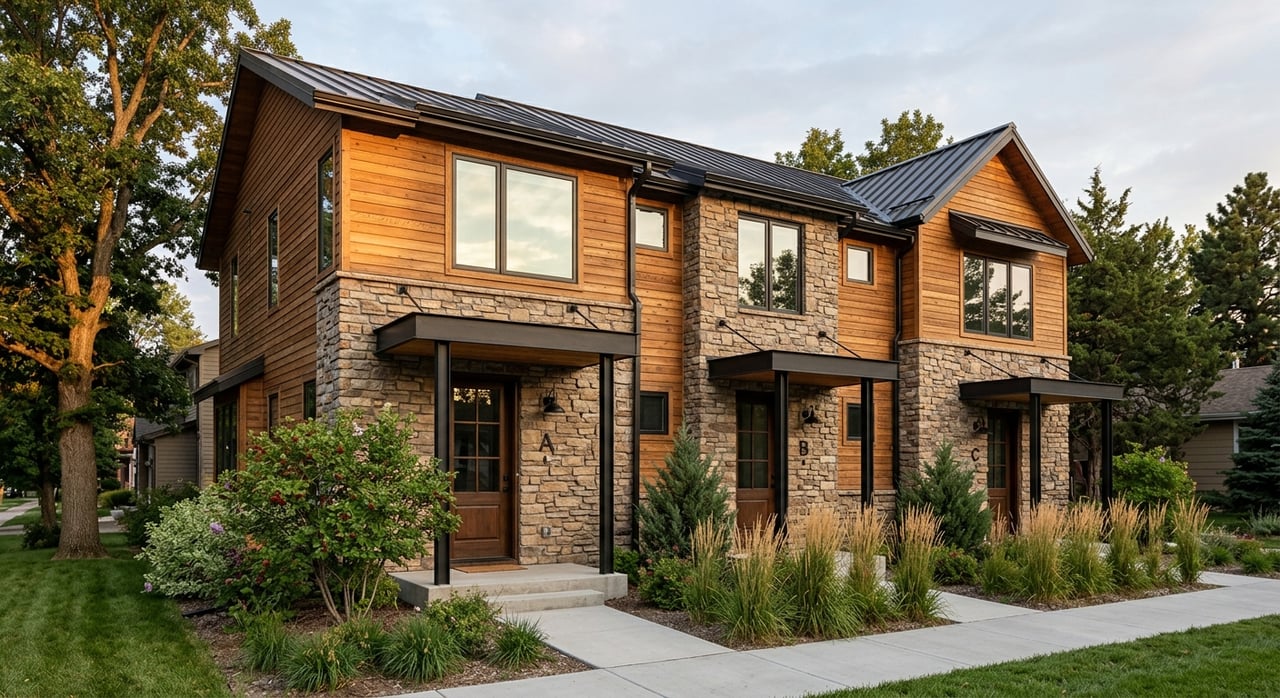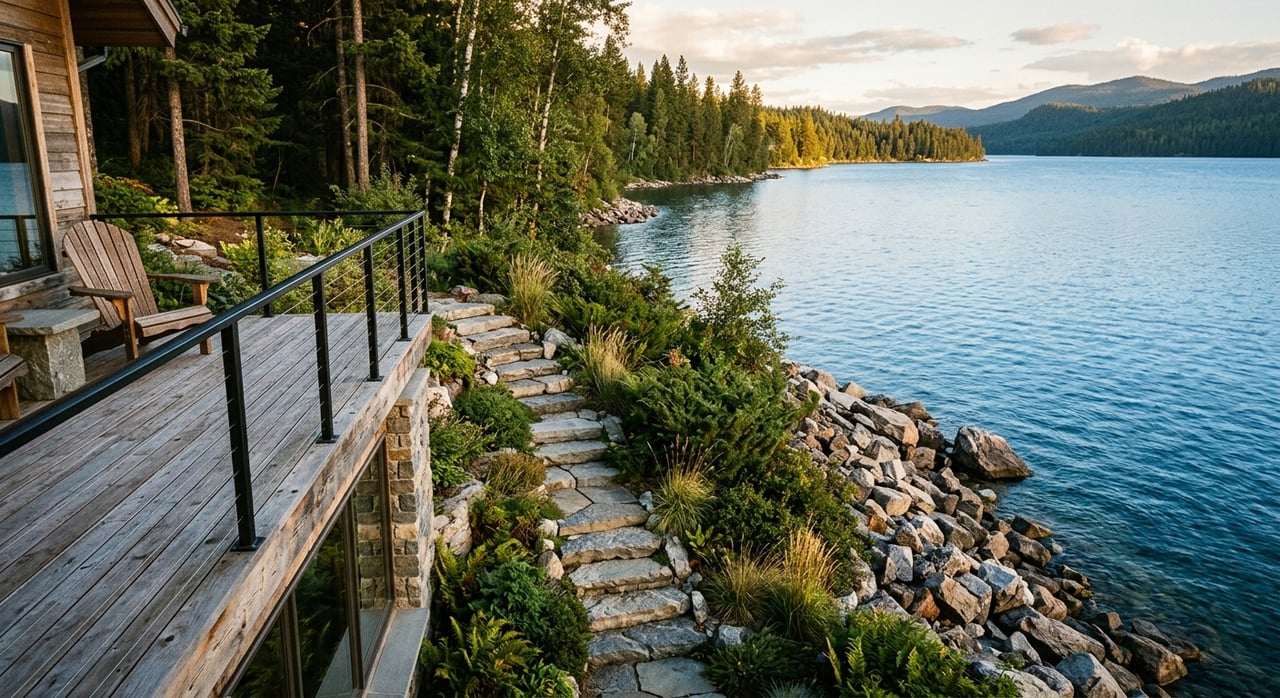
Thinking about buying a brand-new home near Whitefish? It can be an exciting path, especially if you want modern finishes, energy-code updates, and the chance to personalize parts of the build. It can also come with more moving parts than a resale purchase, from permit timing to inspection windows to contract details that matter more than many buyers expect. This guide walks you through the practical side of buying new construction near Whitefish so you can move forward with more clarity and confidence.
Why Whitefish New Construction Works Differently
One of the biggest things to understand is that new construction near Whitefish is jurisdiction-sensitive. Montana enforces statewide building codes, but some cities run certified local programs, and Whitefish is one of them. That means homes inside Whitefish city limits follow the city’s own permit and inspection process, while properties in unincorporated Flathead County follow a different path with state permits still applying, and some county-zoned parcels requiring site plan review before construction starts. You can review the state framework through Montana’s Building Codes Program.
For you as a buyer, that difference matters because location can affect timeline, approvals, and what paperwork should be in place before construction moves forward. A home just outside city limits may not follow the same local process as one within Whitefish, even if the properties are only minutes apart.
Understand Whitefish Permit Requirements
Inside Whitefish city limits, the city requires permits for all new construction. The city’s building permits and inspections portal allows applicants to submit documents, track status, and pay fees online, which helps create a clear record of where the project stands.
Whitefish says plans must meet its current 2021 code set for residential, energy, mechanical, plumbing, electrical, and wildland-urban interface work. The city also notes that applicants should confirm local design criteria, including snow load, and provide truss design criteria before permit issuance. For mountain and resort-adjacent construction, those details are not small technicalities. They can shape design decisions, engineering, and scheduling.
Know the Inspection Timeline
A brand-new home is not simply inspected once at the end. In Whitefish, the required inspection checklist moves through multiple stages, including foundation work, rough framing, rough mechanical, rough plumbing, rough electrical, insulation, drywall, and final inspections.
The city also notes that fire, planning, public works, water, and final building inspections may all play a role before the project is complete. A Certificate of Occupancy and permanent water and sewer service are issued only after all code requirements are met. In practical terms, that means a home that looks almost finished may still not be ready for move-in.
Townhomes vs. Detached Homes
If you are comparing a detached single-family home with a townhome-style property, inspection steps can differ. Whitefish requires party-wall or common-wall drywall inspections for townhome projects, which adds another checkpoint during construction.
That does not make one option better than the other, but it does mean your timeline and inspection questions should match the type of property you are buying.
Pay Close Attention to Deposits and Early Contracts
When a home is not yet complete, builders may ask for upfront money to reserve the property or secure the contract. According to the CFPB’s guidance on finding the right home, this may be called a builder deposit, earnest money, a reservation agreement, a lot-hold agreement, or a purchase contract.
No matter what the document is called, focus on the same core questions:
- Is the deposit refundable, and under what conditions?
- What happens if your financing falls through?
- What inspection rights are preserved in writing?
- How are change orders handled?
- Who pays any draw-related or inspection-related fees tied to the loan?
CFPB also recommends making the contract contingent on financing and a satisfactory inspection if possible. Just as important, you do not have to use the builder’s affiliated lender. You have the right to shop for financing that fits your goals.
Watch for Change Orders and Loan Updates
Many buyers expect upgrades and selections to be simple. In reality, changes to finishes, fixtures, layout choices, or allowances can affect both the build and your financing.
CFPB notes in its guidance on mortgage disclosure rules that change orders can increase the loan amount, which may trigger revised loan disclosures if the loan amount, interest rate, monthly payment, or cash to close changes. You can review that framework in the CFPB’s mortgage disclosure amendments.
This is why written clarity matters. If you are building near Whitefish, ask for clear terms on upgrade deadlines, change-order approvals, and how pricing changes are documented. Verbal understandings are not enough when timelines, materials, and financing are all moving together.
Construction Financing Has Its Own Rules
Some new homes use construction or construction-permanent financing rather than a standard purchase loan. CFPB treats these as a distinct category and explains that new-construction loans can receive revised disclosures when settlement is expected to be more than 60 days out. It also notes that staged draws may create inspection and handling fees treated as loan costs, as outlined in its TRID FAQs for construction lending.
That means the cost picture can shift over time if the project timeline changes or if selections increase the amount you need to finance. Before you sign, make sure you understand how the draw process works, which fees may apply, and how updates will be communicated.
Time Your Independent Inspection Carefully
One of the most common questions buyers ask is whether they really need a home inspector on a brand-new build. The practical answer is yes. CFPB says to schedule an independent inspection as soon as possible so there is time to identify and address issues before closing.
In Whitefish, the best window is often before drywall. That stage matters because rough framing, rough plumbing, rough mechanical, rough electrical, insulation, and drywall-related steps happen before final sign-off. Once walls are closed up, it becomes harder to evaluate what is behind them.
If your contract allows inspections, try to line them up with that pre-drywall stage and again near completion. That approach gives you a better chance to catch concerns while they are still easier to correct.
Expect Local Conditions to Affect Timing
Whitefish-area construction timelines can be shaped by local requirements that are easy to miss if you are used to buying resale homes. The city says concrete pours require heating and temperature monitoring, and local design criteria such as snow load must be confirmed through the permit process, according to the city’s permit guidance.
For you, that means weather and seasonal conditions may influence the order of work and the pace of progress. Winter scheduling, exterior completion, and final approvals may all take longer than expected depending on conditions and permit status.
A Nearly Finished Home May Not Be Move-In Ready
One of the biggest surprises in new construction is that visual progress does not always match legal occupancy. In Whitefish, permanent water and sewer service and the Certificate of Occupancy come only after all code requirements are satisfied, according to the city’s required inspections checklist.
That means items some buyers think of as minor, such as exterior corrections, paving, landscaping, or unresolved permit issues, can still delay move-in. If you are coordinating a relocation, second-home travel schedule, or temporary housing, build some flexibility into your plans.
Protect Yourself at Closing
Closing on a new build should still include the same careful review you would want in any purchase. CFPB recommends doing the final walk-through before closing, reviewing documents in advance, and using the three-business-day Closing Disclosure period to compare final numbers to earlier estimates. You can review that process in the CFPB guide on closing the deal.
If something important changes, CFPB says you may receive a new Closing Disclosure. It also notes that you should not sign until the documents match the deal you expected. In some cases, lenders may require repairs before closing if the appraisal or loan program identifies major issues.
Keep Records After Closing
Even with a careful process, documentation remains important after you take ownership. Montana law provides a structured process for residential construction defect claims. Before suing a construction professional, the claimant must serve written notice, and the builder then has 21 days to respond with an inspection proposal, settlement offer, or dispute under Montana Code 70-19-427.
Montana also sets a general 10-year limit for many construction-related damage claims after completion, with a one-year extension for injuries occurring in the 10th year. That legal framework makes good recordkeeping a smart step for any new-construction buyer.
Keep copies of:
- Your purchase agreement
- Reservation or deposit documents
- Selection sheets and upgrade approvals
- Change orders
- Inspection reports
- Punch lists
- Photos of the home during construction
- Written warranty terms and repair communications
These records can help if questions come up later about incomplete work, warranty items, or construction defects.
A Practical Approach for Buyers Near Whitefish
Buying new construction near Whitefish can be a great fit if you want modern design, lower-maintenance systems, and a home tailored to how you live. The key is understanding that the process is often more document-driven and timeline-sensitive than buyers first expect.
When you know how permitting, inspections, financing, selections, and closing protections work together, you are in a much stronger position to make smart decisions from contract to move-in. If you want experienced guidance as you compare new construction opportunities near Whitefish, connect with Sandra West for concierge-level support grounded in local knowledge and careful transaction strategy.
FAQs
Do I need a home inspector for a new construction home near Whitefish?
- Yes. CFPB recommends scheduling an independent inspection as soon as possible, and the pre-drywall stage is often one of the most useful inspection windows.
Can I use my own lender when buying a new construction home near Whitefish?
- Yes. CFPB says you do not have to use the builder’s affiliated lender, so you can shop for financing that best fits your needs.
What happens if the new construction home is outside Whitefish city limits?
- The process may differ. Whitefish has its own certified local permitting program, while unincorporated Flathead County does not require county building permits, though state permits still apply and some parcels may need site plan review.
When can I move into a new construction home in Whitefish?
- Move-in usually cannot happen until all code requirements are met and the city issues a Certificate of Occupancy and permanent water and sewer service.
What contract terms matter most when buying a not-yet-built home near Whitefish?
- The most important terms often include whether the deposit is refundable, what happens if financing fails, what inspection rights are preserved, and how change orders and related costs are handled.