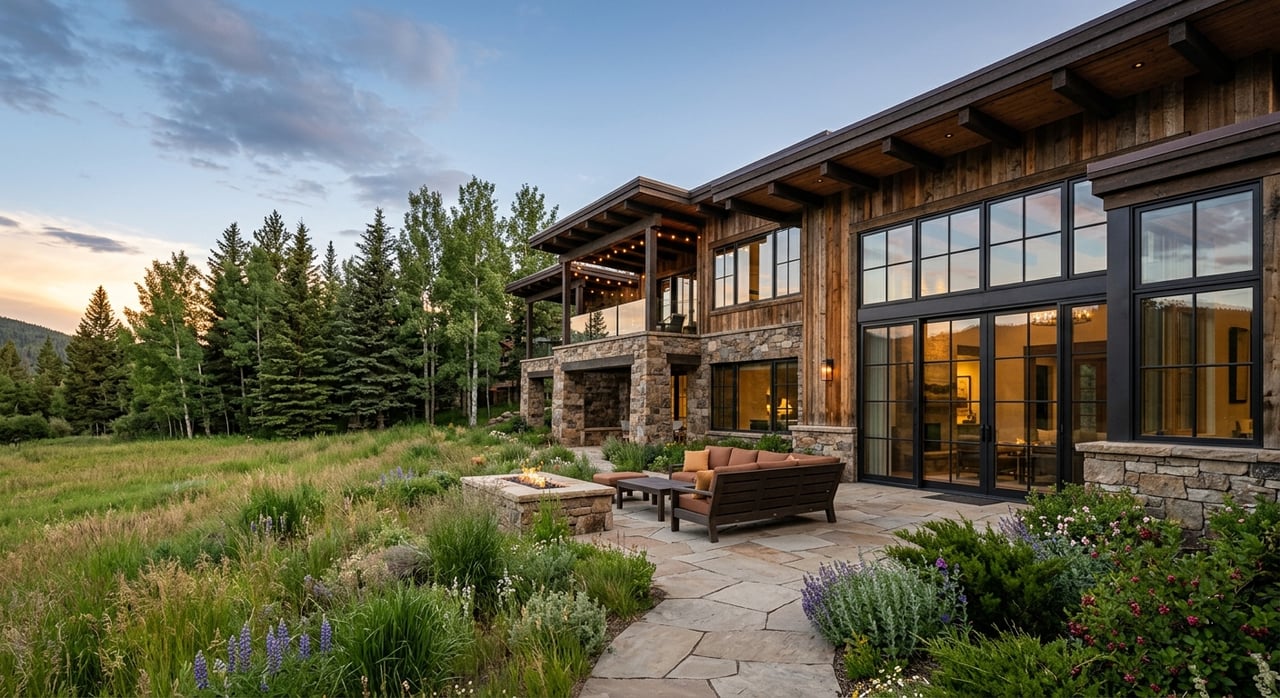
Buying land in Western Montana can feel like the first step toward a dream, but the wrong parcel can turn a custom build into a long and expensive puzzle. If you are picturing mountain views, privacy, and a home designed around the way you live, you also need to think carefully about access, water, septic, permits, and financing before you fall in love with the setting. This guide will walk you through how to buy land and build a custom home with more clarity, fewer surprises, and a stronger plan from day one. Let’s dive in.
Start With Buildability
In Western Montana, not all land is equally ready for a custom home. The most important question is not just how much acreage you are buying, but whether the parcel is actually buildable for your goals.
In Flathead County, subdivision review focuses on practical site issues like access, water supply, sewage disposal, wildlife habitat, open space, and public-service capacity. According to Flathead County subdivision information, these factors can matter just as much as parcel size when you are evaluating land.
That means a beautiful view lot or wooded acreage may still need serious investigation before you write an offer. The safest approach is to verify the site first, then think about design details later.
Check Access Early
Access is one of the first things you should confirm. A parcel may look straightforward on a map, but legal access and physical access are not always the same thing.
Flathead County requires legal and physical access for subdivision lots. If the road is a private road easement, proof of that easement is required, and in some cases road-user agreements or CC&Rs may govern maintenance responsibilities, as outlined in the Flathead County subdivision regulations.
You should also know that county roadway permits are required when work affects a county road right-of-way, when an approach is installed or modified, or when construction affects public travel. If access involves a U.S. Forest Service or DNRC road or easement, written authorization may also be required.
Research Water And Septic
Water and wastewater planning can shape whether a homesite is practical, affordable, or both. Before you move too far into design plans, look closely at well, septic, groundwater, and wastewater requirements.
Flathead County tells buyers not to submit a septic application until they complete a land research request and receive a county response. The county also directs applicants to review records through GIS, the Plat Room, and Planning and Zoning, which you can see on the land research request page.
If the property will rely on a private well, it is important to understand that private well water is not overseen or regulated by the state. The Montana Department of Environmental Quality recommends annual well checkups and testing for bacteria and nitrates, because poor maintenance can contaminate groundwater.
Water rights can also matter. The Montana DNRC states that new or expanded uses of surface water or groundwater after June 30, 1973 generally require a beneficial water-use permit or related filing, and most uses require an active water right. For custom-home buyers, this means water planning is not something to leave until the last minute.
Review Zoning And Site Limits
Every parcel comes with a set of rules and constraints, even when it feels remote or wide open. You will want to understand zoning, floodplain issues, site plan review requirements, and any recorded restrictions before you close.
Flathead County notes on its building information page that it does not operate a building department or regulate uniform building codes. Building codes are administered by the Montana Department of Labor and Industry, and some zones may require site plan review before construction.
The county also administers floodplain and lakeshore programs. If you are buying land near water, on sloped terrain, or in a heavily wooded setting, these details can directly affect where and how you build.
Factor In Wildfire Exposure
In many Western Montana settings, wildfire planning is part of smart site selection. This is especially true for heavily treed lots, steep terrain, and properties reached by private roads.
Flathead County maintains wildfire home-ignition-zone guidance and related fire-service materials. County subdivision regulations also reference higher fire-risk areas, vegetation thinning, water-supply maintenance, and road-maintenance considerations, which can affect both the design process and long-term property use.
This does not mean wooded parcels are off the table. It means you should evaluate them with a clear understanding of defensible space, access for emergency response, and ongoing maintenance needs.
Verify Records And Boundaries
Acreage purchases often need more record review than buyers expect. Before you buy, confirm the legal description, review the survey history, and look for easements, restrictions, and prior parcel splits.
Flathead County’s Plat Room is the official source of land ownership information and survey records for the county. It is a key place to verify plats, certificates of survey, ownership history, and boundary-related records.
This step matters because recorded issues can affect build placement, driveway routing, utility planning, or even future resale value. If you are buying land for privacy or future flexibility, this is one of the most important parts of due diligence.
Understand Future Split Potential
If you think you may divide the land later, ask that question before you buy, not after. Future split potential can influence value, financing, layout, and overall strategy.
Flathead County treats six or more lots as a major subdivision and five or fewer lots as a minor subdivision. The county also requires pre-application and preliminary plat workflows for subdivision review, according to its subdivision information.
In practical terms, that means not every parcel is a simple candidate for future division. If flexibility matters to you, it should be part of your initial due diligence and contract planning.
Plan For Construction Financing
Financing a custom build is usually more complex than financing a resale home. If you have only bought existing homes before, expect a different process.
The CFPB explains that construction loans are typically short-term loans that fund construction costs in draws as work progresses. They often carry higher interest rates than longer-term mortgages and may either convert to a permanent mortgage or require a new loan once construction is complete.
For rural acreage, financing can become even more nuanced. The CFPB also notes that some non-conforming loans are used for properties with non-standard features, including more than 10 acres or properties that are harder to appraise, as described in its overview of conventional loans.
That is why it makes sense to compare multiple lenders and loan structures. CFPB recommends shopping around and reviewing official Loan Estimates rather than relying on a single financing path.
Know About USDA Options
Some buyers may qualify for a single-close option through USDA Rural Development. This is not the right fit for every buyer or every property, but it is useful to know it exists.
USDA says its Single Family Housing Guaranteed Loan Program can finance the purchase or construction of a home in eligible rural areas through approved lenders. The program can include 100% financing for eligible low- and moderate-income households, but borrower, property, and income rules all apply.
For many custom-home buyers in Western Montana, this will simply be one option to compare against traditional construction or construction-to-permanent financing. The key is to evaluate choices based on your goals, timeline, and property type.
Build The Right Team
Buying land and building a custom home usually requires more than one advisor. A strong team can help you identify issues early, coordinate next steps, and protect your investment.
The CFPB recommends building a network of advisors that may include a real estate agent, loan officer, and housing counselor. In Western Montana land purchases, that team often also includes a title officer or closing attorney, a surveyor, a builder, and, when needed, a civil engineer and septic professional.
That is especially important because county guidance makes clear that engineers and consultants must do their own research, and technical details can materially affect whether a parcel works for your plans. The sooner your team reviews access, utilities, septic, and plat issues, the better positioned you are to move forward with confidence.
Follow A Smart Sequence
When buyers run into trouble, it is often because they started with the dream home design before confirming the land could support it. A better approach is to move in a disciplined order.
Here is a practical sequence to follow:
- Identify land that fits your location and lifestyle goals.
- Verify legal and physical access.
- Research plats, easements, restrictions, and prior splits.
- Review water, septic, and water-right considerations.
- Check zoning, floodplain, lakeshore, and wildfire factors.
- Talk with lenders about land and construction financing.
- Bring in your builder and technical professionals.
- Finalize design after site constraints are clear.
This sequence helps you avoid spending money on plans for a parcel that may not support the home you want to build.
A Custom Build Takes Clarity
Western Montana offers a rare chance to create a home that fits the landscape and the way you want to live. But the most successful land purchases are the ones grounded in careful due diligence, realistic financing, and the right local guidance.
If you are considering land in Western Montana, the safest path is simple: verify buildability first, finance second, and design third. When you are ready for thoughtful, high-touch guidance on land, acreage, and custom-home opportunities, connect with Sandra West to start your search with confidence.
FAQs
What should you check before buying land in Western Montana?
- You should confirm access, plats, easements, septic potential, water planning, zoning, floodplain issues, wildfire exposure, and any recorded restrictions before closing.
How does construction financing work for a custom home in Montana?
- Construction loans are usually short-term loans that fund the build in stages through draws, and they may convert to a permanent mortgage or require a separate mortgage after completion.
Why does access matter when buying Montana land?
- Access matters because you need both legal and physical access to use and improve the property, and private road easements, maintenance agreements, or roadway permits may affect your plans.
Can private well and septic issues affect a Montana land purchase?
- Yes, well and septic considerations can directly affect whether a parcel is practical to build on, and they should be researched early through county records and site-specific review.
Should future subdivision potential be reviewed before buying land in Flathead-area markets?
- Yes, if you may split the parcel later, you should evaluate subdivision rules and review pathways before purchase because not every parcel will support that strategy easily.