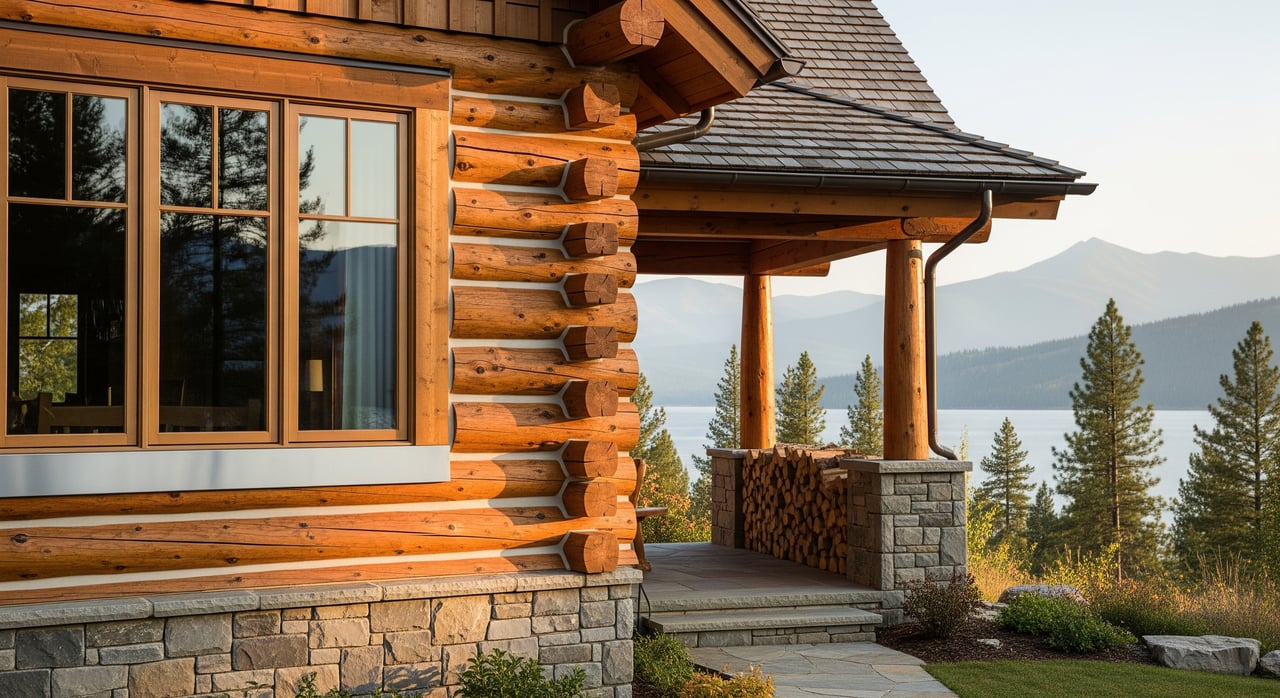
Thinking about a log home near Bigfork or Flathead Lake? The setting is incredible, but the climate here asks more of a log house than a typical stick‑frame home. If you know what to watch, you can protect your investment and enjoy a low‑stress retreat. In this guide, you’ll learn the essential upkeep, the seasonal tasks that matter most in Northwest Montana, the red flags to spot before you write an offer, and how to line up the right specialists. Let’s dive in.
Why Bigfork log homes need special care
Bigfork’s winters are cold and snowy with freeze–thaw cycles that test roofs, chinking, and flashing. Summers are warm and sunny with strong UV on south and west exposures. Many homes sit on wooded lots, which means more shade and moisture around logs, plus seasonal wildfire risk late summer into fall.
Log construction can perform beautifully here, but it needs consistent attention. The goal is simple. Keep logs dry, sealed, and well ventilated, while managing snow, drainage, and nearby vegetation.
Routine checks you can do year‑round
A quick visual walkaround each month is the best way to prevent small issues from becoming big repairs.
- Look for dark or wet stains on logs, gaps in chinking or caulk, and peeling finishes.
- Check gutters, downspouts, and roof valleys for debris. Confirm water flows away from the foundation.
- Inspect flashing and chimney caps. Note missing shingles or signs of ice dams.
- Inside, watch for discoloration on ceilings or walls, musty odors near exterior walls, or window condensation.
- Monitor trees. Remove dead limbs, evaluate any lean, and maintain defensible space for wildfire season.
Seasonal maintenance plan
Bigfork’s seasonality affects how you care for your home. Use this simple plan to stay ahead.
Spring checklist
- Verify grading slopes away from logs and that crawlspace vents are clear and intact.
- Inspect lower log courses, sills, porches, and steps for splash‑back wear or rot where wood meets soil.
- Clean and test gutters and downspouts. Extend downspouts if water pools near the foundation.
- Examine chinking, caulk, and finish for cracks or gaps. Note the age of the last stain or finish.
- Book a pest inspection if you saw frass or beetle activity over winter.
Summer checklist
- Repair sealants where gaps have opened. Follow product directions for compatibility.
- Wash log surfaces with manufacturer‑recommended cleaner. Avoid pressure washing unless a pro confirms a safe method.
- Trim vegetation back several feet to improve airflow and reduce moisture against logs.
- Assess the exterior finish. If widespread graying or flaking appears, plan a full refinish during a dry, mild window.
- Prepare for wildfire season. Clear combustibles, maintain defensible space, and consider ember‑resistant vents where appropriate.
Fall checklist
- Service heating systems and schedule a chimney sweep. Confirm the flue, crown, and cap are in good shape.
- Check attic insulation and ventilation to limit ice dams.
- Move firewood and stacked materials away from log walls.
- Complete stain or caulk touch‑ups so water cannot penetrate during winter.
Winter checklist
- Monitor eaves and valleys for ice buildup. Watch for wet stains on ceilings that could indicate ice dams.
- Remove heavy snow from decks and horizontal surfaces with non‑metal tools to avoid damaging logs.
- Keep gutters clear when possible. Use heat tape only where appropriate and permitted.
- Check interior humidity and any new drafts that could suggest sealing failures.
Common problems and how to spot them
When you tour a property or review inspection findings, keep these issues front of mind.
Water intrusion and rot
- What to look for: soft or spongy wood on lower log courses, dark staining, musty smells near exterior walls, or peeling interior finishes.
- Why it happens: poor grading, clogged gutters, failed flashing, roof leaks, or deferred sealant maintenance.
- Why it matters: rot can be hidden and progressive. Repairs may require log replacement or specialized restoration.
Sealant failures at chinking and caulk
- What to look for: gaps between logs, cracked or missing chinking, or separation at corners and around windows and doors.
- Impact: air leaks and heat loss, water entry, and pathways for pests. You may notice drafts or binding doors and windows.
Log settling and movement
- What to look for: stuck doors, misaligned trim, or gaps that suggest movement.
- Smart questions: ask whether the home includes slotted fasteners or adjustable jacks and whether past settlement adjustments are documented.
UV and finish failure
- What to look for: graying wood, chalking, or flaking finish, especially on south and west faces.
- Plan ahead: small failures can be spot repaired. Widespread wear calls for a coordinated refinish on a manufacturer‑approved schedule.
Insect activity
- Local concerns: wood‑boring beetles and carpenter ants. Signs include small exit holes, bore dust, galleries, or mud tubes.
- Action step: confirm any treatment history and address moisture. Dry, well‑sealed logs are less attractive to insects.
Roof, snow load, and chimney
- What to look for: roof sag, missing shingles, or failed roof‑to‑wall flashing. Inspect chimney caps and spark arrestors.
- Safety: confirm proper clearances for appliances and fireplace systems adjacent to logs.
Mechanical systems, crawlspaces, and foundations
- What to look for: moisture or poor ventilation in crawlspaces, intact vapor barriers, and evidence of rodents.
- Structure: verify log walls are properly supported and anchored on foundations. Note any uneven floors or settlement patterns.
Pre‑offer due diligence checklist
You can protect your purchase by bringing log‑specific diligence into your offer and timelines.
Specialist inspections to schedule
- Log‑home experienced inspector or log specialist for logs, finish, chinking, fasteners, and settlement allowances.
- Structural or engineering review if you see signs of movement or rot.
- Roof and chimney inspections, including snow‑load suitability and flue integrity.
- Pest inspection focused on wood‑destroying insects and carpenter assemblies.
- HVAC and combustion safety testing, including CO checks.
- Septic and well inspections with water quality testing.
- Arborist evaluation for large or diseased trees close to the house.
For major concerns, a qualified log restoration contractor can perform moisture mapping and provide a repair scope and bid.
Documents to request from the seller
- Maintenance records for staining, sealing, chinking repairs, pest treatments, roof replacement, and chimney service.
- Any recent inspection reports and transferable warranties.
- Documentation of structural or stabilization work, including engineer letters and invoices.
- History of water events such as ice‑dam leaks, crawlspace issues, or flood incidents.
- Recent septic reports and water test results.
Negotiation protections that work
- Use an inspection contingency that allows additional diagnostic testing if recommended.
- Negotiate seller‑completed repairs by qualified contractors, credits or price adjustments, or escrow holdbacks for seasonal work.
- If you are buying a second home from out of state, consider a post‑closing inspection window for issues that reveal themselves after your first winter.
Hiring local vendors
Bring in pros with log‑home experience in Flathead County. Ask about:
- Local log‑home references and how many similar projects they have completed.
- Proof of insurance, proper licensing, and warranties on staining, chinking, and structural work.
- Surface prep methods for refinishing. Avoid high‑pressure washing unless a contractor details a safe, manufacturer‑approved process.
- Product specs including UV protection and mildew inhibitors, plus the expected re‑coat interval.
- A written diagnostic report for structural or moisture repairs with moisture meter readings and a clear scope.
- At least two to three comparable bids for large projects.
Insurance and wildfire readiness in Flathead County
Log homes in wooded settings can face wildfire exposure. Before you close, verify insurance availability, premiums, and any required mitigations such as defensible space, ember‑resistant vents, screened chimney caps, and Class A roofing.
Ask sellers about past claims and current coverage. Confirm replacement cost coverage and that your carrier can source log‑home restoration specialists if needed. Consider enrolling in local wildfire mitigation programs and align your summer maintenance with defensible space goals.
Quick showing‑day checklist
- Ask for maintenance records and the date of the last full stain or refinish.
- Scan for dark water stains, soft or spongy wood, or gaps in chinking.
- Look for frass or fine sawdust at baseboards or on sills.
- Confirm grading and downspouts push water away from the home.
- Note roof condition and any signs of ice‑dam history.
- Ask about wildfire‑mitigation efforts and tree maintenance.
- Plan for a log‑specialized inspection contingency and adequate time for follow‑ups.
Plan your first‑year budget
Every property is different, but most log homes need periodic spot sealing and cleaning, plus a full exterior refinish within a set cycle. Exposure and product choice affect timing. If finish age is unknown, plan for a refinish in the near term and budget for seasonal chores like gutter cleaning, tree trimming, and chimney service.
Work with a local advocate
Buying a log home here should feel exciting, not overwhelming. With the right plan and the right team, you can protect your investment and enjoy Montana living from day one. West & Company blends on‑the‑ground knowledge with meticulous due diligence and a concierge approach that coordinates inspections, vendors, and negotiations to safeguard your purchase.
If you are considering a Bigfork log home, let’s talk about your goals and build a clear, step‑by‑step plan. Connect with Sandra West to get started.
FAQs
How often should Bigfork log homes be re‑stained?
- Many finishes need a full re‑coat every few years depending on product, exposure, and prep, with spot repairs sooner on sun‑exposed faces.
What are the biggest red flags during a showing of a log home?
- Soft lower logs, dark staining, musty odors, gaps in chinking, widespread finish failure, roof sag, and poor grading that sends water toward the house.
Do I need a log‑home specialist in addition to a general inspector?
- Yes, a log‑experienced pro can evaluate logs, finish, chinking, fasteners, and settlement allowances and can recommend further diagnostics if needed.
What maintenance tasks should I schedule before the first winter?
- Touch up stain and sealants, clean gutters, service heating and chimney, verify attic insulation and ventilation, and move firewood away from exterior walls.
How can I reduce wildfire risk around a log home near Flathead Lake?
- Maintain defensible space, clear debris, consider ember‑resistant vents and screened chimney caps, and keep roofs and gutters free of needles.
What documents should I request from a seller of a log property?
- Records for staining and sealing, chinking repairs, pest treatments, roof and chimney service, structural repairs, recent septic and water tests, and any warranties.